

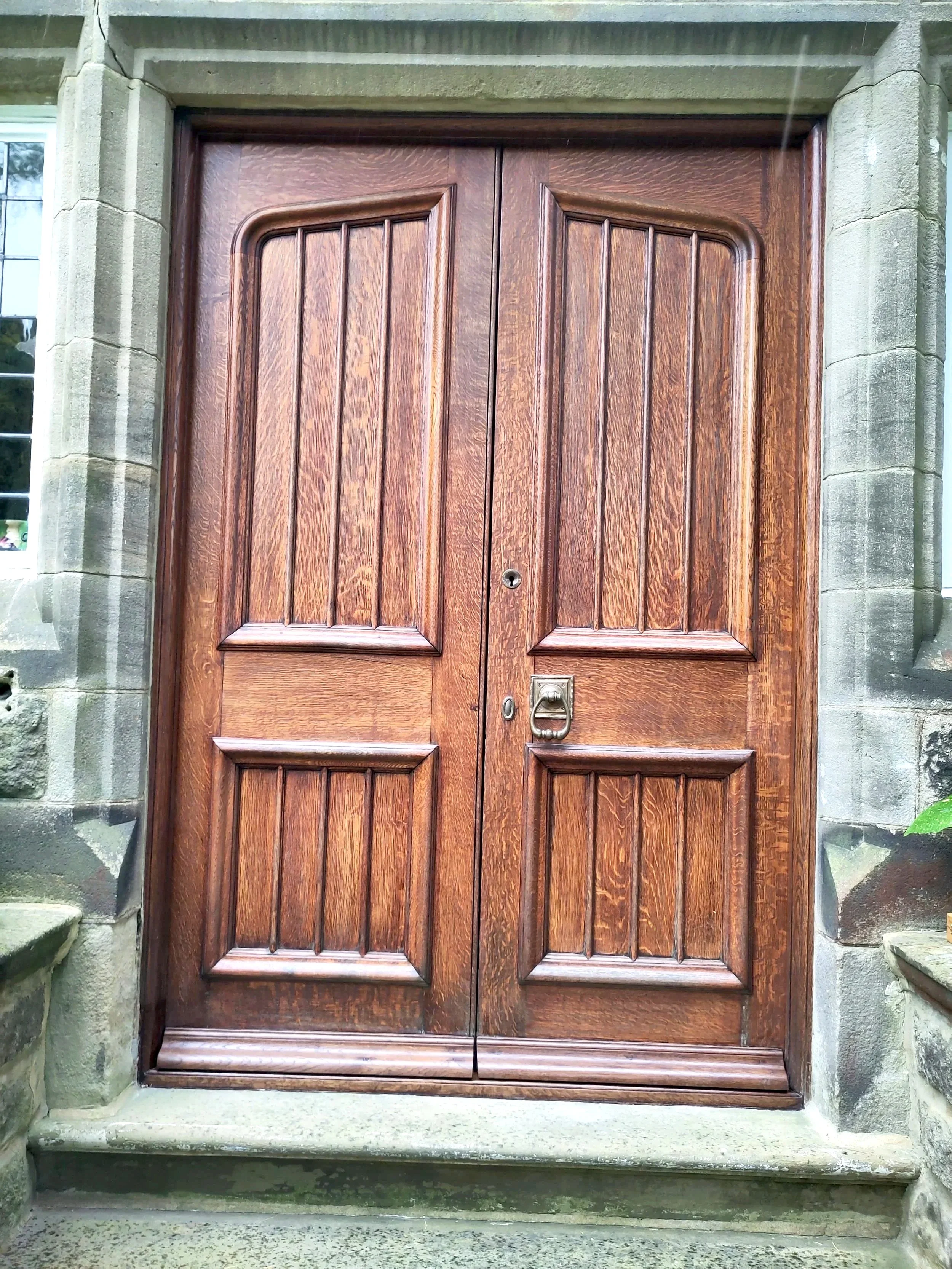
Heritage Joinery Restoration
Preserving the Integrity of Period and Listed Buildings
Heritage joinery fails for a reason. My work focuses on identifying those underlying causes including, moisture ingress, poor past repairs, timber decay, movement, or infestation. I address these causes with conservation‑led methods that protect the building’s long‑term health. Every repair respects original materials, craftsmanship, and the architectural significance of the property.
What I Do
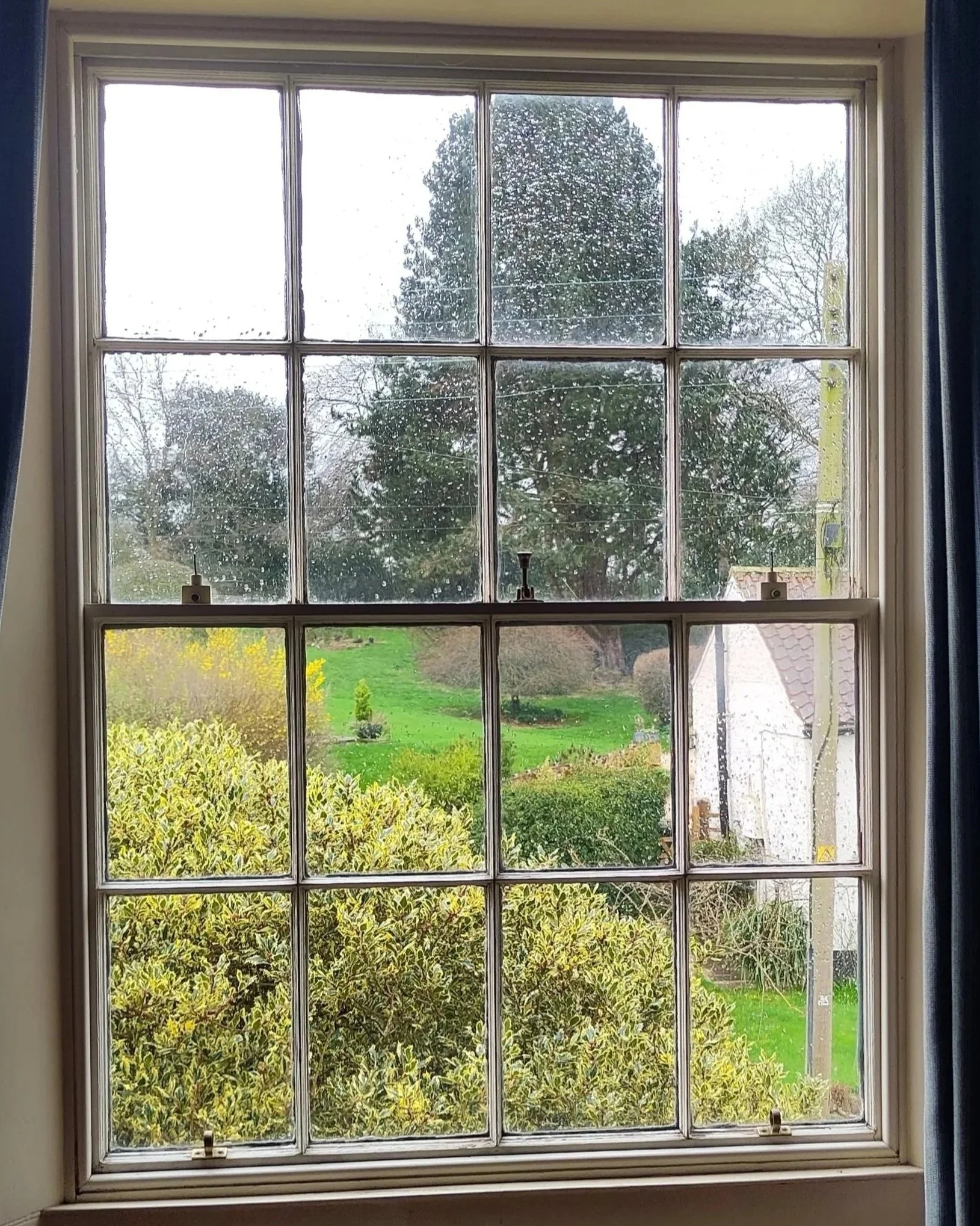
Conservation‑Led Joinery Repairs
I restore historic windows, doors, panelling, shutters, mouldings, and architectural timber elements using techniques that retain as much original fabric and surface as possible. Each intervention is carefully judged to stabilise, conserve, and extend the life of the joinery without altering its character.
Cutting Out and Splicing In New Timber
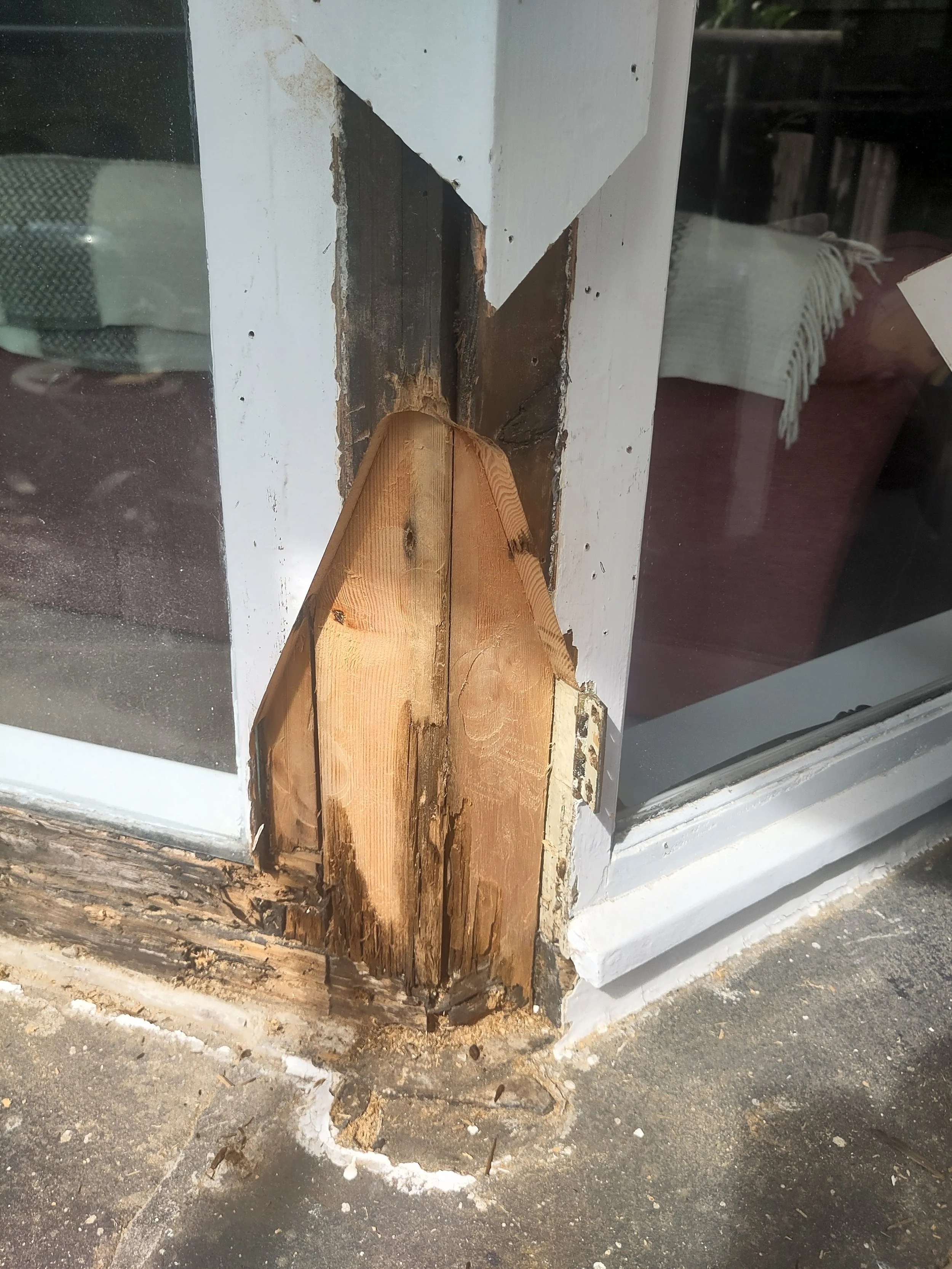
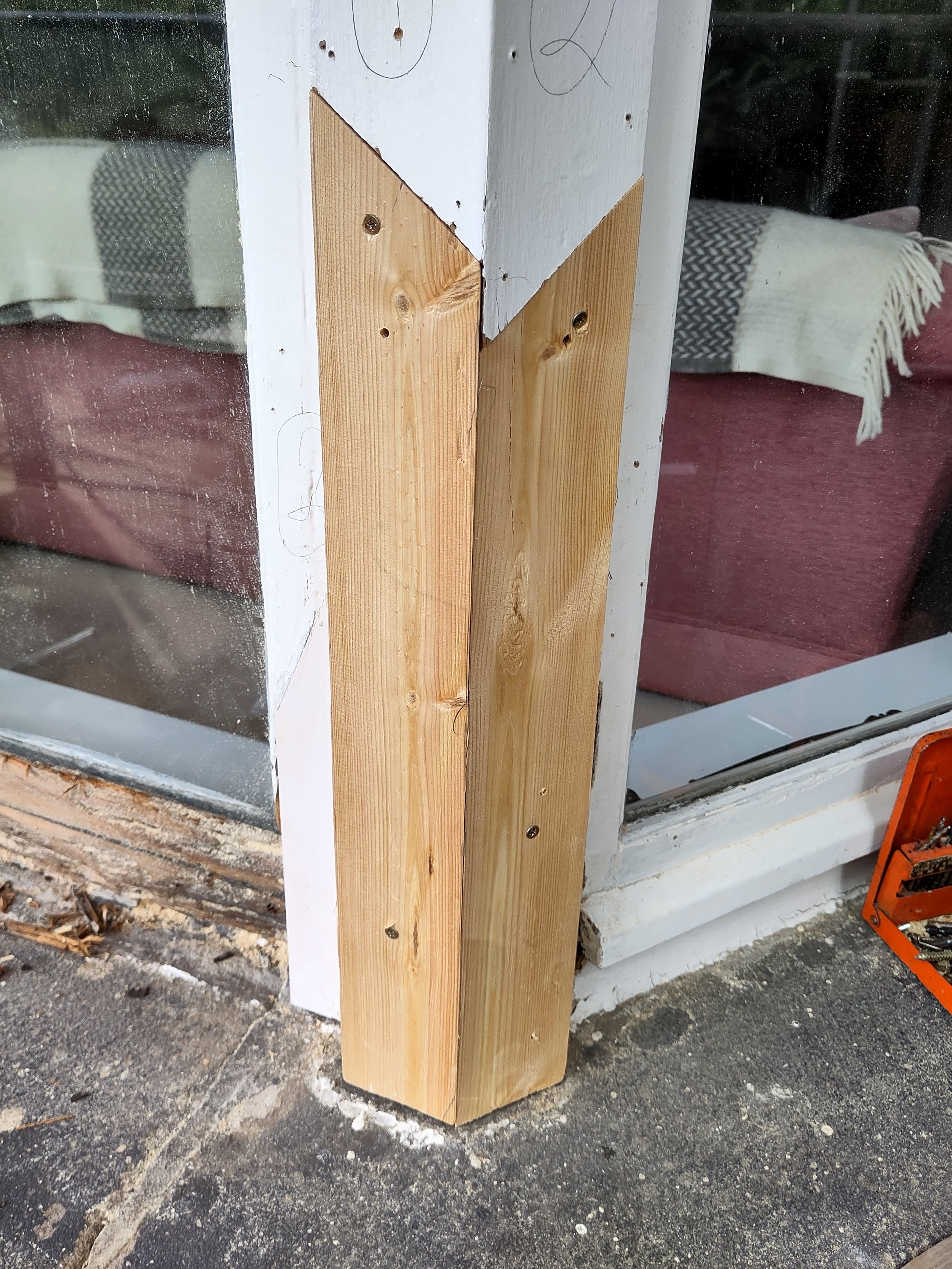
Where decay is too advanced to consolidate, I remove only the failed sections and splice in new timber matching for species, grain, and profile to ensure structural integrity while preserving authenticity.
Treating Woodworm and Other Infestations
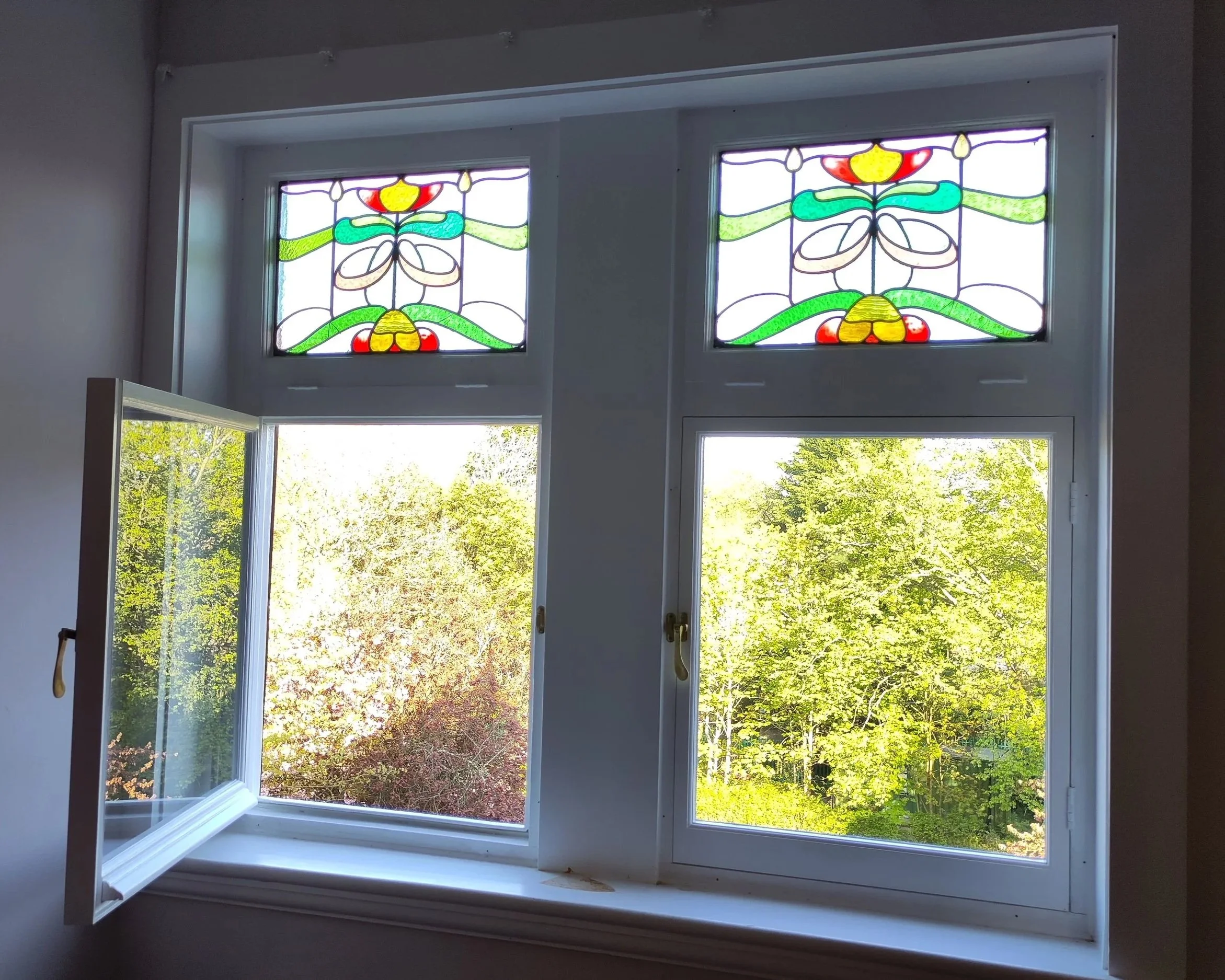
From sash stiles and glazing bars to door rails, thresholds, and mouldings, I repair or remake components with precision, ensuring compatibility with the building’s age, style, and construction.
Repairing or Replacing Failed Components
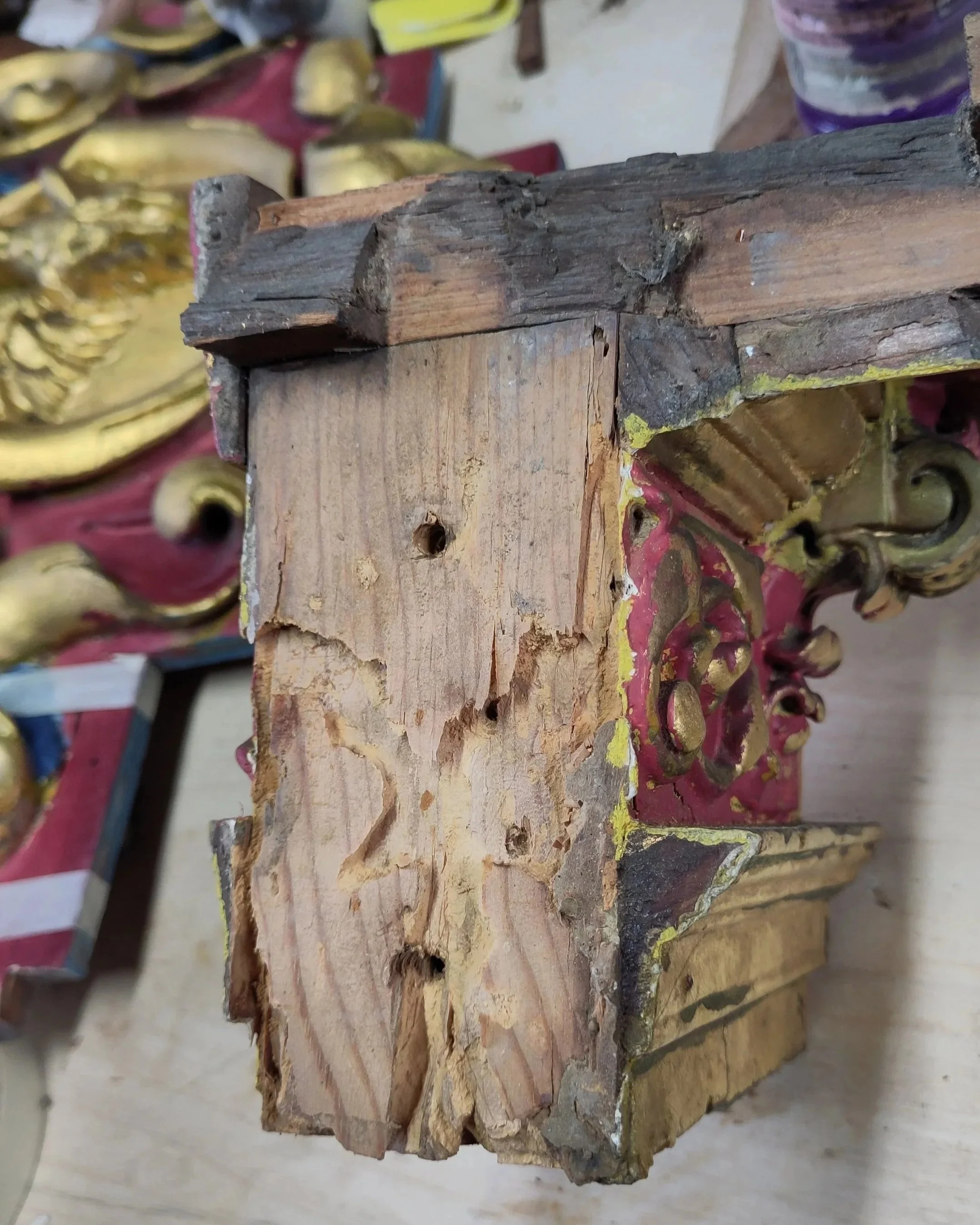
I identify active infestation, assess the extent of damage, and apply appropriate treatments. Where necessary, weakened areas are strengthened or rebuilt using traditional joinery methods.
Addressing the Causes of Deterioration
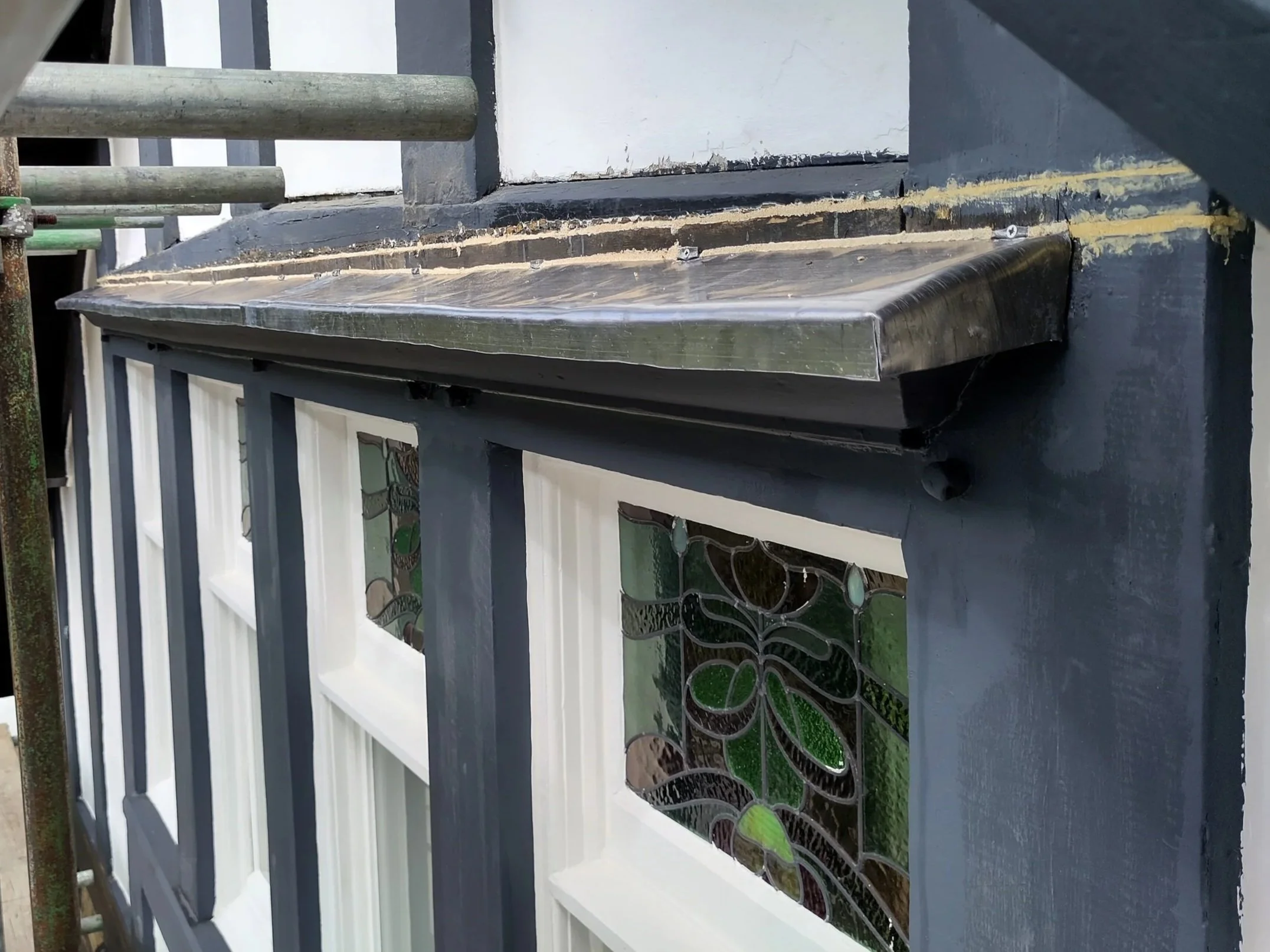
Effective restoration means more than replacing rotten timber. I look at moisture pathways, ventilation, previous inappropriate repairs, and environmental factors to prevent recurring problems and protect the building for the future.
Approach and Principles
Minimal intervention – preserving original material wherever possible
Reversible methods – ensuring future conservators can understand and undo repairs
Material authenticity – using compatible timbers, adhesives, and finishes
Cultural sensitivity – respecting the building’s history, significance, and context
Long‑term durability – addressing root causes, not just symptoms
This approach aligns with best practice for listed buildings and heritage conservation.
Suitable For
I, II, and II* listed buildings
Period homes and historic interiors
Heritage properties requiring sensitive repair
Insurance restoration following damage or deterioration
Why Choose Hunt restoration
With over 40 years’ experience in heritage joinery and furniture conservation, I bring a deep understanding of traditional construction, historic materials, and the subtle judgement required to repair rather than replace. My work supports the long‑term preservation of Yorkshire’s architectural heritage.
Get in Touch
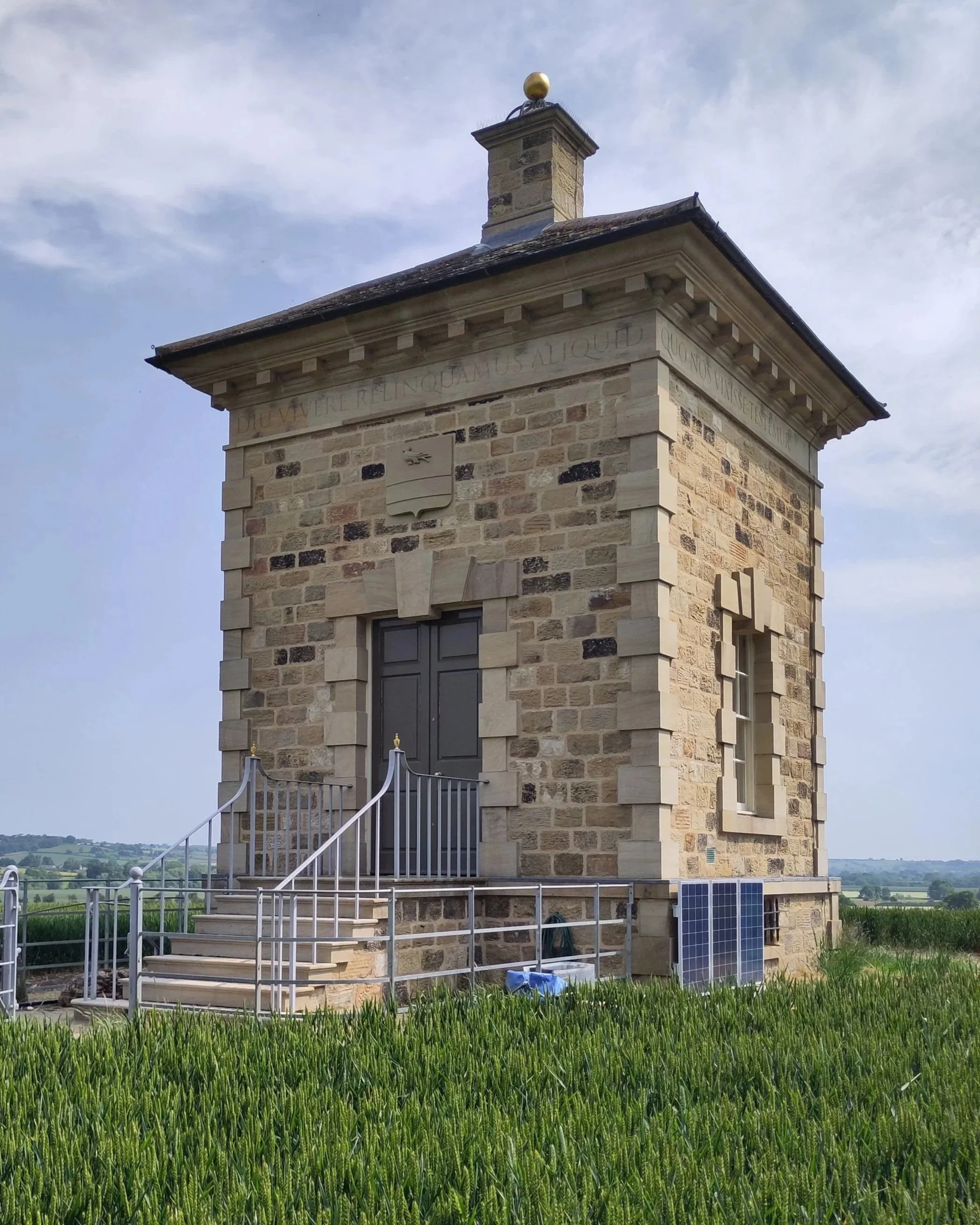
If your historic windows, doors, or interior joinery are showing signs of deterioration, I can provide a clear assessment and a conservation‑appropriate repair plan. Contact me to discuss your project or arrange a site visit.